Custom socks for your brand: OEM & private label manufacturing. Get factory-direct pricing now! Custom Socks: Complete OEM & Priva...
Custom socks for your brand: OEM & private label manufacturing. Get factory-direct pricing now!
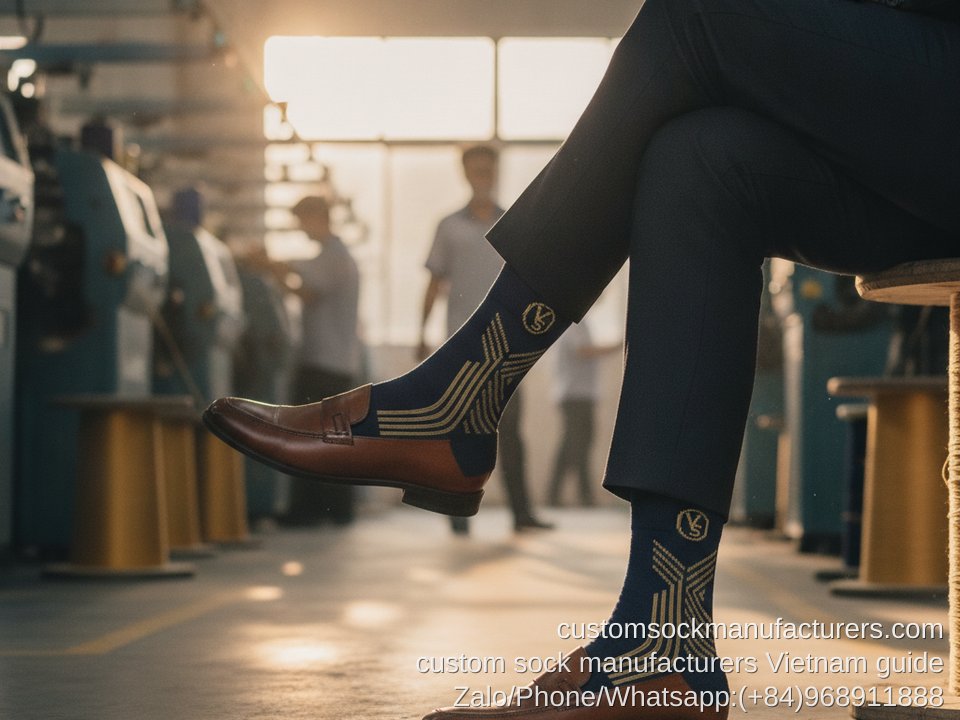
Custom Socks: Complete OEM & Private Label Buyer's Guide
Navigating the world of custom sock manufacturing can seem complex, especially when sourcing from overseas. This comprehensive guide is designed for brand owners and retailers seeking to understand the intricacies of OEM and private label sock production. We aim to demystify the process, offering insights into choosing the right partner and ensuring a smooth production journey. Our focus is on providing actionable advice for securing high-quality custom socks from reliable manufacturers.
For brands looking to create their unique sock lines, understanding the options available is crucial. Whether you have a specific design in mind or need assistance from concept to completion, a skilled manufacturer can be an invaluable asset. This guide will cover everything from material selection and design considerations to production processes and international shipping, specifically highlighting the advantages of working with a custom sock manufacturers Vietnam guide.
Understanding OEM and Private Label Sock Manufacturing
OEM (Original Equipment Manufacturer) and private label are terms often used interchangeably, but they represent distinct approaches to product manufacturing. In the context of custom socks, OEM typically means a manufacturer produces socks based on your exact specifications, designs, and technical drawings. You provide the blueprint, and they build it. This offers maximum control over the final product's design and quality.
Private label, on the other hand, often involves taking existing sock styles from a manufacturer and applying your own branding. While some manufacturers offer a wide range of customizable existing styles, a true private label partnership often involves a higher degree of customization than simply adding a logo. For brands seeking to establish a unique identity, exploring custom custom socks OEM services is paramount. As shown by Gold Garment OEM manufacturing services, comprehensive support is available for both approaches.
Key Considerations for Custom Sock Projects
When embarking on a custom sock project, several factors demand careful consideration to ensure your vision is realized effectively. These include:
- Material Selection: The choice of fabric significantly impacts the sock's feel, durability, and performance. Common materials include cotton, polyester, nylon, spandex, bamboo, and wool. Each offers unique properties suitable for different applications, from athletic performance to everyday comfort.
- Design and Artwork: High-resolution artwork is essential for intricate designs. Manufacturers often work with vector files (like AI or EPS) for the best results. Consider the complexity of your design and how it will translate to the knitted fabric.
- Sizing and Fit: Standard sock sizes vary by region. Ensure your manufacturer can accommodate the sizing requirements for your target market to guarantee a comfortable and appealing fit for your customers.
- Knitting Technology: Different knitting machines produce socks with varying levels of detail and complexity. Advanced machines can create intricate patterns, textures, and even 3D elements for unique sock designs.
Why Choose Vietnam for Custom Sock Manufacturing?
Vietnam has emerged as a global hub for textile and garment manufacturing, offering compelling advantages for brands seeking high-quality production. The country boasts a skilled workforce, competitive labor costs, and a growing infrastructure that supports efficient production and international logistics. When looking for a custom sock manufacturers Vietnam guide, you're tapping into a region known for its dedication to quality and innovation in apparel.
Working with Vietnamese manufacturers often translates to factory-direct pricing, cutting out intermediaries and allowing for greater cost-effectiveness. This is particularly beneficial for businesses looking to maximize their margins or offer competitive retail prices. The emphasis on quality control and adherence to international standards further solidifies Vietnam's position as a premier manufacturing destination for bulk socks Vietnam.
The Role of MOQ and Factory-Direct Pricing
A crucial aspect of sourcing from overseas manufacturers is understanding the Minimum Order Quantity (MOQ). For custom sock production, MOQs can vary significantly between factories. Many manufacturers, like Gold Garment based in Ho Chi Minh City, offer accessible MOQs, such as 100 pieces per style. This flexibility is ideal for emerging brands or those testing new product lines, allowing for smaller initial investments.
Factory-direct pricing is another significant advantage. By dealing directly with the manufacturer, you eliminate markups from agents or distributors. This direct relationship ensures you receive the most competitive pricing for your custom socks, allowing for better profitability. With over 10 years of experience, Gold Garment provides this direct benefit to clients across the USA, Europe, Australia, and Southeast Asia.
The Production Process: From Design to Delivery
The journey of creating custom socks involves several distinct stages, each critical to achieving the final product. A reputable manufacturer will guide you through this process seamlessly.
1. Design and Sampling
The process begins with your design concept. You'll submit your artwork, logo, and any specific requirements. The manufacturer's design team will then create a digital mockup for your approval. Once the digital design is finalized, a physical sample is produced. This sample allows you to assess the quality, fit, colors, and overall appearance before committing to mass production. Thoroughly reviewing this sample is vital; a real example from custom socks factory Gold Garment demonstrates how detailed and accurate these initial samples can be.
2. Material Sourcing and Preparation
Based on your approved design and material specifications, the manufacturer will source the necessary yarns and materials. Quality control begins here, ensuring the chosen fabrics meet your standards for comfort, durability, and appearance. If custom colors are required, yarn dyeing will occur at this stage.
3. Knitting and Manufacturing
The core of production involves advanced knitting machines that weave the sock according to your design specifications. This process includes creating the cuff, leg, heel, and toe sections, often seamlessly for enhanced comfort. Experienced technicians oversee the machinery to ensure precision and consistency across all units.
4. Finishing and Quality Control
After knitting, socks undergo various finishing processes, which may include trimming excess threads, steam setting for shape, and a final inspection. Rigorous quality control checks are performed at multiple stages to identify and rectify any defects, ensuring that only perfect pairs proceed to the next step. This meticulous attention to detail is a hallmark of experienced manufacturers.
5. Packaging and Shipping
Your custom socks are then packaged according to your branding and retail requirements. This can range from simple polybags to custom-printed boxes. Finally, the finished products are prepared for shipment. Reputable manufacturers offer worldwide shipping, ensuring your products reach your desired destination efficiently and reliably, whether it's to your warehouse or directly to your customers.
Choosing the Right Manufacturing Partner
Selecting the right manufacturing partner is paramount to the success of your custom sock venture. Look for manufacturers with a proven track record, transparent communication, and a clear understanding of your brand's needs. Experience in handling international orders and a commitment to quality are non-negotiable. Consider manufacturers who offer comprehensive support, from initial design consultation to post-production logistics.
When evaluating potential partners, inquire about their production capacity, lead times, and quality assurance processes. A partner who can offer insights into material innovation and design trends can also be highly beneficial. Brands often seek partners who can also assist with other custom apparel needs; for instance, some brands also partner with a 3D embroidered caps manufacturer for complementary product lines.
Frequently Asked Questions
Q: What is the typical lead time for custom sock orders?
A: Lead times can vary depending on the complexity of the design, the order volume, and the manufacturer's current production schedule. Generally, from sample approval to bulk production completion, expect anywhere from 30 to 60 days. Rush orders may be possible for an additional fee.
Q: How do I ensure the quality of my custom socks when manufacturing overseas?
A: Ensure your manufacturer has robust quality control processes in place, including pre-production material checks, in-line production inspections, and final product audits. Requesting physical samples before mass production is crucial for assessing quality firsthand. Clear communication of your quality standards is also vital.
Q: Can I order a mix of designs within my MOQ?
A: This depends on the manufacturer's policy. Many manufacturers allow a mix of designs within a larger MOQ, but often each design will still have its own specific MOQ, or there might be an additional charge for smaller runs of multiple designs. It's best to clarify this with your chosen partner.
Partnering with an experienced and reliable manufacturer is key to bringing your custom sock vision to life. We are here to facilitate your journey towards creating exceptional custom socks.
📩 Request a Free Quote — Response Within 5 Minutes
🌎 Website: customsockmanufacturers.com
Factory-direct pricing · MOQ from 100 pcs/style · Sample development · Worldwide shipping


